Cataracts are one of the contributors to poor eyesight, affecting millions of people around the globe. With aging, Dominant Eye Cataract Surgery can decline due to cloudy lenses in our eyes, leading to symptoms like blurred sight and difficulty seeing at night. For numerous individuals facing these changes, understanding when to seek help is crucial, and this is why eye specialists play an critical role in restoring clarity and improving life quality.
Cataract surgery has turned into a common and very effective procedure, providing rapid recovery options for patients impacted. With https://reanna87caleb.werite.net/developing-ocular-skills-vital-skills-of-a-lens-cosmetic-surgeon in technological and techniques, patients can feel assured in their decision to undergo surgery. However, understanding the right time to consult an ophthalmologist for cataract surgery and being aware of potential complications are equally important. This article aims to explore the significant contributions of cataract surgeons, detail the requirements for surgery, and assist individuals in identifying signs that may indicate the need for treatment.
Grasping Cataract Issues and Indicators
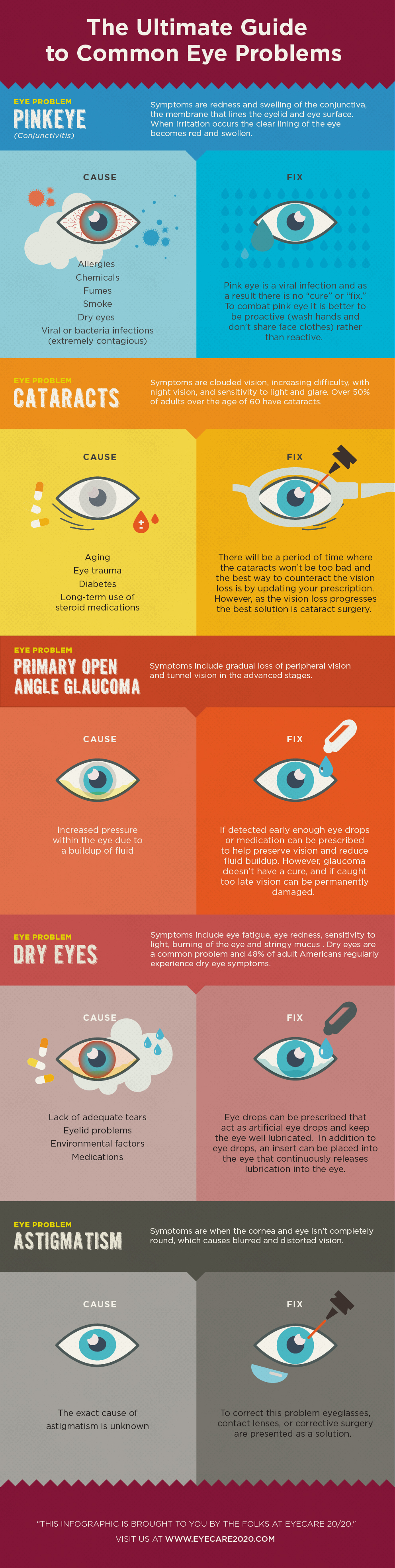
Cataract conditions are a prevalent eye condition where the normal lens of the eye of the eye becomes hazy, resulting in diminished vision quality. This opacity ordinarily occurs gradually and can affect both eyes. Consequently, individuals may go through a variety of visual disturbances, including blurred sight, challenges seeing at night, and increased sensitivity to light. As time passes, these indications can exacerbate, interfering with daily routines and overall well-being.
A lot of people may initially not recognize the signs that they need cataract surgery, as some symptoms can be mistaken for normal changes in vision due to aging. Typical early signs include cloudy vision from cataracts, which may make hues to look muted or lead to halos around lights. Routine eye examinations by an ophthalmologist for cataract surgery can aid in diagnosing the emergence of cataracts and decide if surgery is necessary when symptoms begin to impact daily routines.
If you discover yourself straining to see or having difficulty with blurry vision even after adjusting your glasses, it might be time to consider whether you are a susceptible person for cataract surgery. Grasping the symptoms and talking with a cataract surgery specialist can assist clarify the most effective course of action. Early intervention can encourage more positive outcomes and a quicker return to normal vision, allowing for a brighter future.
Cataract Operation: When to Consider Surgery and Considerations
Figuring out the right time for cataract surgery is crucial for optimal vision restoration. One of the key signs you need cataract operation is experiencing cloudy vision that impairs daily activities, such as looking at texts, operating a vehicle, or working on a computer. Numerous people consider surgery when their blurry vision compromises their ability to enjoy life completely. Regular eye examinations are important, as an ophthalmologist for cataract surgery can evaluate the severity of cataracts and help decide whether surgical procedure is needed.
Cataract surgery age requirements vary, but it is usually safe for individuals aged the age of 60 to receive the procedure. However, younger-aged candidates can also be considered, especially if they exhibit significant visual impairment due to cataracts. An eye specialist must evaluate each case meticulously to establish if the patient is eligible under the cataract surgery candidacy criteria. Factors such as overall health, the presence of other eye conditions, and predictions for recovery are vital to keep in mind.
Recovery from cataract surgery is usually swift, with numerous patients experiencing rapid recovery subsequent to the procedure. Some may even be able to get back to their daily activities in a day or two. This swift return is supported by advancements in surgical techniques, allowing cataract operation for both eyes to be performed smoothly and comfortably. Additionally, vision correction during cataract operation can fix pre-existing refractive errors, providing a comprehensive remedy for a lot of patients in search of clearer vision.
Recovery and Effects of Cataract Surgery
After cataract surgery, patients can typically expect a somewhat quick recovery period. Most individuals experience a rapid enhancement in sight within a matter of days after the surgery. It is important to adhere to the ophthalmologist's aftercare instructions, which may include using recommended eye drops to avoid infection and managing inflammation. During the initial recovery phase, patients are encouraged to steer clear of strenuous activities and heavy lifting, ensuring a seamless healing process.
While most patients enjoy favorable outcomes, it is vital to be cognizant of potential cataract surgery complications. Although uncommon, some individuals may suffer from blurry vision, sensitivity to light, or even subsequent cataracts. Regular follow-up appointments with a cataract surgery specialist help monitor recovery and address any issues that may arise. Additionally, identifying https://dane21earnest.bravejournal.net/after-the-procedure-the-emotional-link-in-vision-care need cataract surgery can lead to timely intervention and a better long-term prognosis.
The overall satisfaction rates post-cataract surgery are exceptionally high, with many achieving improved vision and a renewed quality of life. For those thinking about cataract surgery, knowing when you should have cataract surgery and assessing your candidacy can significantly affect the outcome. Dialogue with your ophthalmologist is crucial in ensuring that the surgery aligns with your vision correction goals and lifestyle, ultimately opening up a more promising future.
Selecting the Best Surgeon for Cataract Surgery
Finding the appropriate cataract surgeon is crucial for achieving the best possible outcomes. When considering candidates, seek out an ophthalmologist who focuses on cataract surgery. These surgeons generally have significant training and experience, which allows them to handle various complications associated with the procedure. It's important to review their qualifications, breadth of experience, and patient reviews to make certain that they are highly regarded in their field.
An additional important factor to consider is the surgeon's approach to the care of patients, especially regarding cataract surgery candidacy. A skilled surgeon will carefully assess whether you are a candidate for cataract surgery by evaluating signs like murky or blurry vision. They should speak openly about the procedure, discussing when to have cataract surgery and what to expect during rapid recovery cataract surgery. An open dialogue will help you feel more comfortable and informed about your options.
Finally, ask about the specific techniques and technologies the surgeon uses, such as corrective vision during cataract surgery. Current advancements allow for personalized solutions, which can enhance overall visual outcomes. Make sure your preferred specialist is current with these developments, particularly if you are having cataract surgery for both eyes. The most suitable cataract surgeon can open up a better future by enhancing your vision and boosting your life quality.